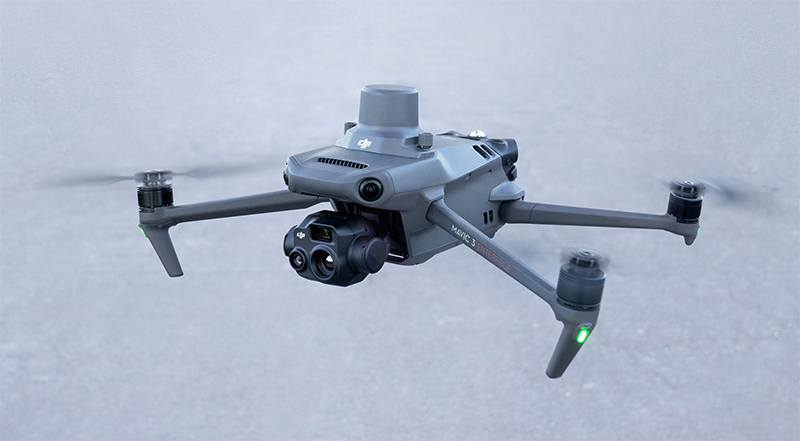
DJI-ENTERPRISE.png

Track calf to mow safely

This article discusses how a thermal imaging drone can be used to detect and protect fawn during the mowing season. 

Content

What is a fawn?

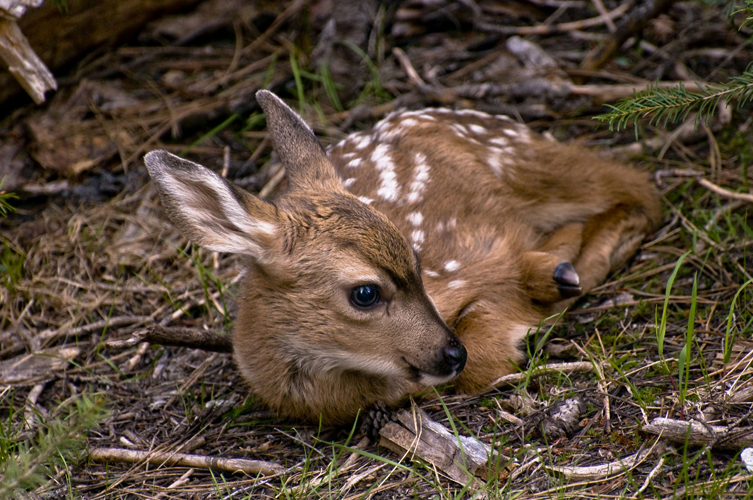
A fawn is a young roe deer, usually born in May or June. It is the young version of the European roe deer, a small species of deer found in Europe, Asia and parts of the Middle East. Fawn are born after a gestation period of about six to seven months and are still helpless at birth and covered with white dots to provide camouflage in the grass. 

After a few days, they start walking and grazing, and after a few weeks they are gradually weaned by their mother. Calf calves are vulnerable to predation and other dangers in their environment, which is why they are a protected species.

Calf - Photo: Benjamin Earwicker from FreeImages

Calf after birth

Calf calves depend mainly on their mother for food and protection in the first months after birth. They usually stay near their mother and are suckled by her until they are weaned at about 2-3 months of age. Calf calves spend a lot of time resting, sleeping and playing near their mother. They grow quickly and soon take part in grazing on grass and leaves.

The mother fawn usually hides her young in tall grass, bushes or other hiding places to protect them from predators and other threats. Deer fawns have a natural camouflage of white dots on their fur, which helps them blend into the vegetation and be less visible to predators. As calves get older, they will spend more and more time alone and slowly expand their territory.

The mowing season

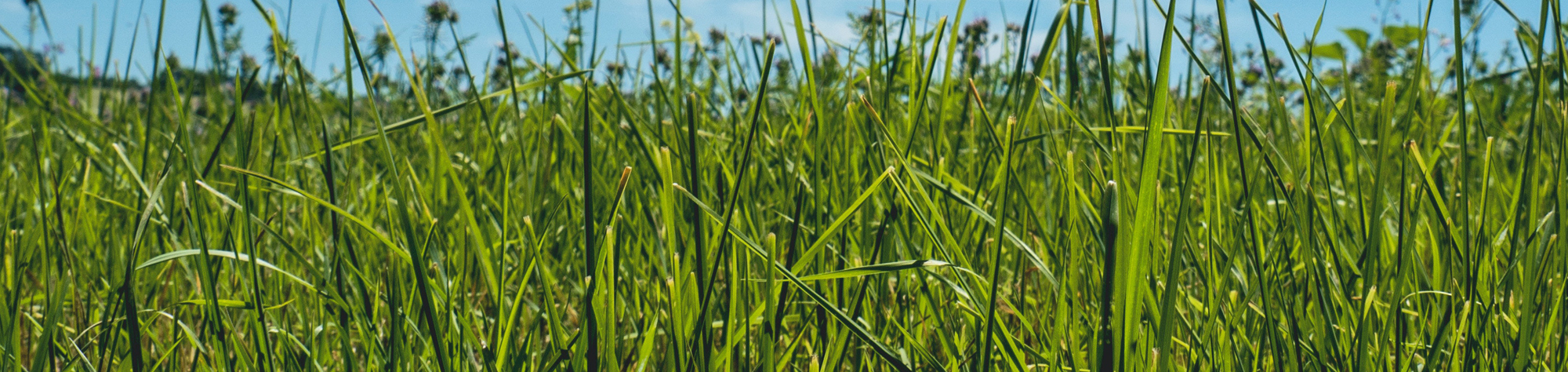
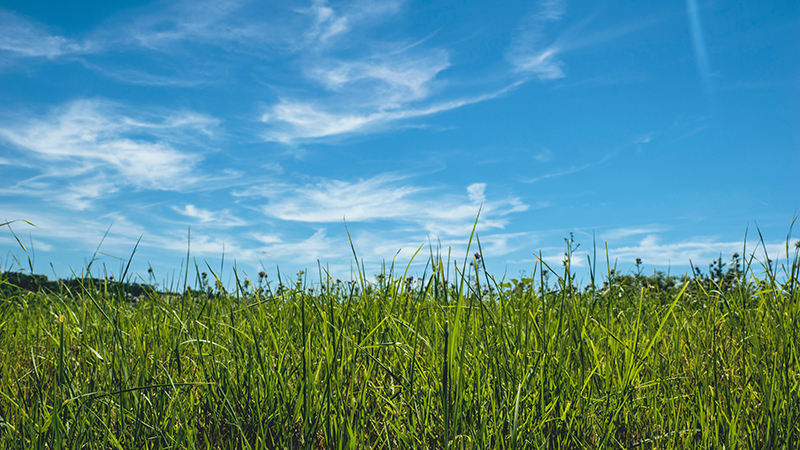
The mowing season is approximately from early April to June. The mowing season can be a dangerous time for fawn, as they are difficult to see in the tall grass and they do not run away in the face of danger, but rather keep quiet in an attempt not to be noticed. It is therefore important for farmers, hunters and volunteers to inspect the land for fawn and other wildlife prior to mowing to avoid accidentally killing or injuring them.

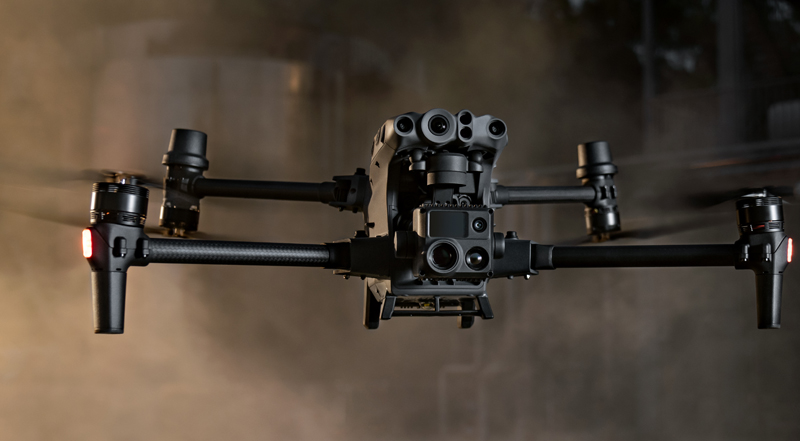
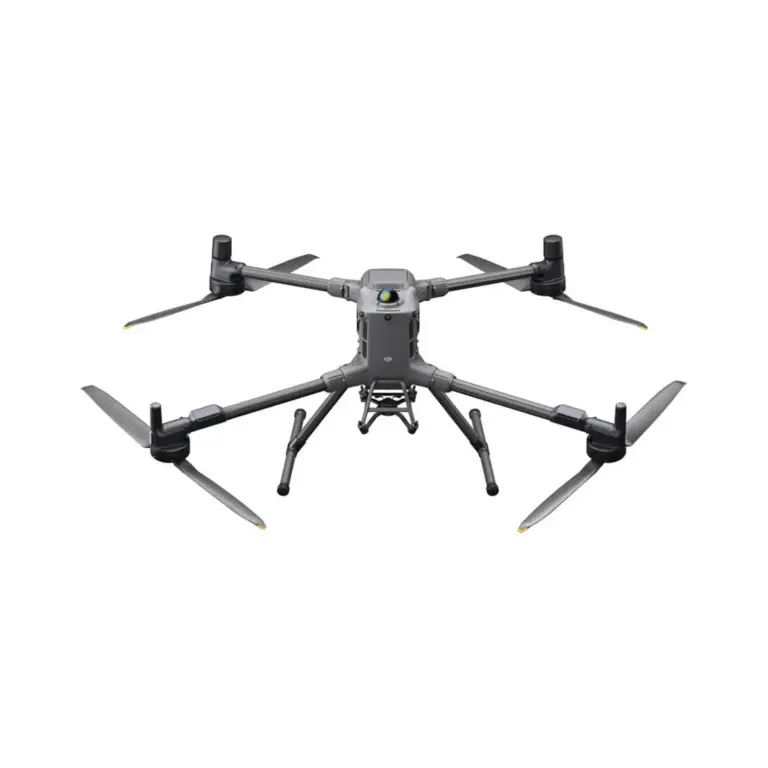
One method that can be used to search for fawn is to deploy drones with thermal imaging cameras to detect the animals' heat signatures. So that they can be moved before mowing begins.

Drones with thermal imaging camera for fawn detection

A thermal imaging camera uses infrared radiation to generate thermal images of the environment. This allows the camera to detect heat sources even if they are not visible to the naked eye. Calves have a body temperature slightly higher than their ambient temperature, which means they are clearly visible in thermal images.

To detect fawns using a drone with a thermal imaging camera, the drone flies low over the terrain where the fawns may be. The thermal imaging camera on board the drone detects heat sources in the area and sends the images back to the operator on the ground. Based on these images, the operator can determine the location of the fawn.

In general, using a drone with a thermal imaging camera is an effective way to detect and protect fawn during the mowing season. 

en_GBEnglish

info@koningdrone.be