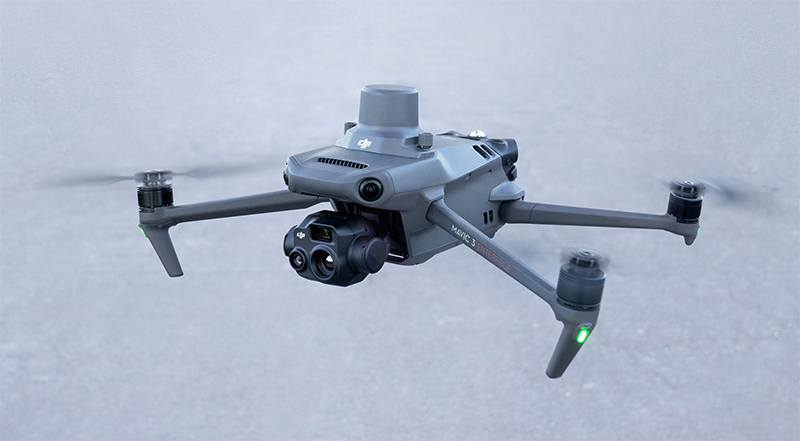
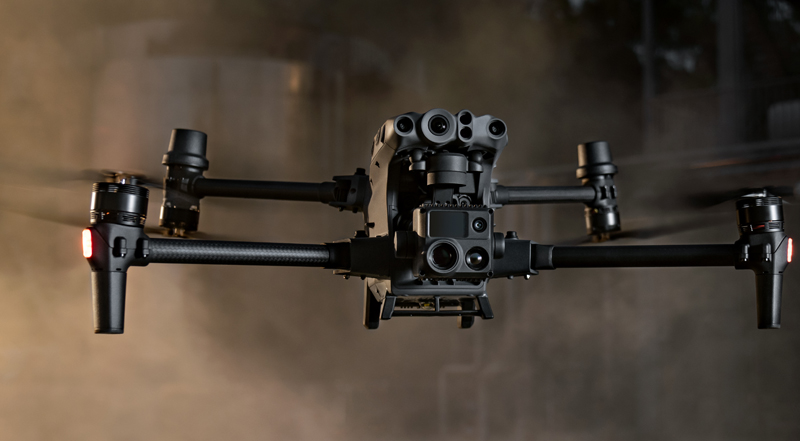
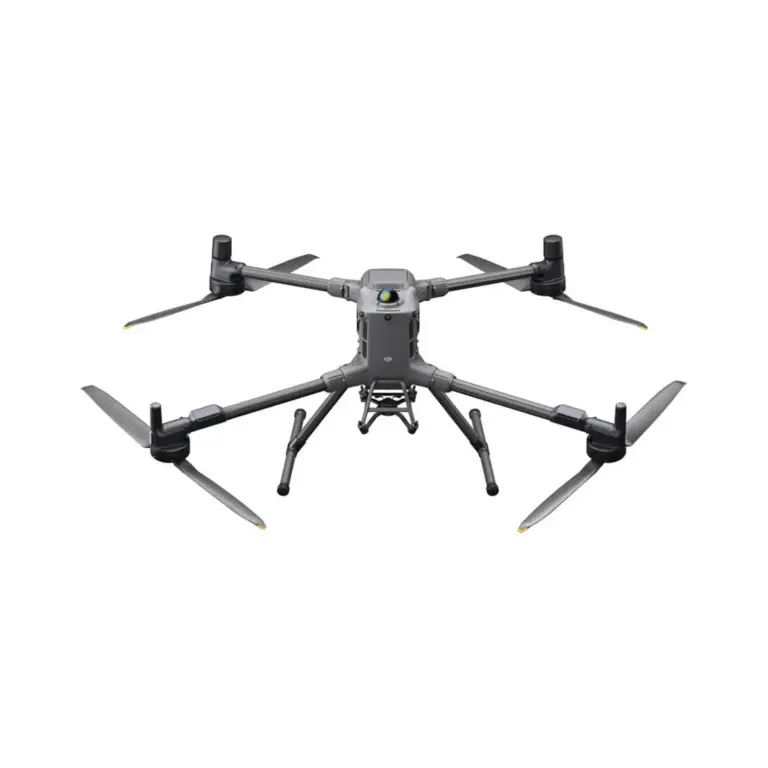
Thermography is the field that deals with the heat or infrared (IR) radiation that an object naturally emits. Thermographic instruments such as thermal cameras detect and display the heat characteristics of both living and inanimate objects.
Thermal cameras mainly measure the surface temperature of an object and are designed to detect subtle temperature changes. However, mirrors, shiny objects and highly polished areas reflect thermal radiation and therefore cannot be accurately measured by a thermal camera. Instead, non-reflective surfaces such as concrete, wood and even people have high emissivity and can therefore be measured more accurately by thermal imaging.
It is important to note that not all objects give off an accurate heat signature. The degree to which an object absorbs or reflects heat is called emissivity and varies greatly between objects. Moreover, objects with high emissivity, such as wood, can be easily detected by a thermal imaging device, while objects with low emissivity, such as these patio tiles, cannot be easily detected by a thermal camera.
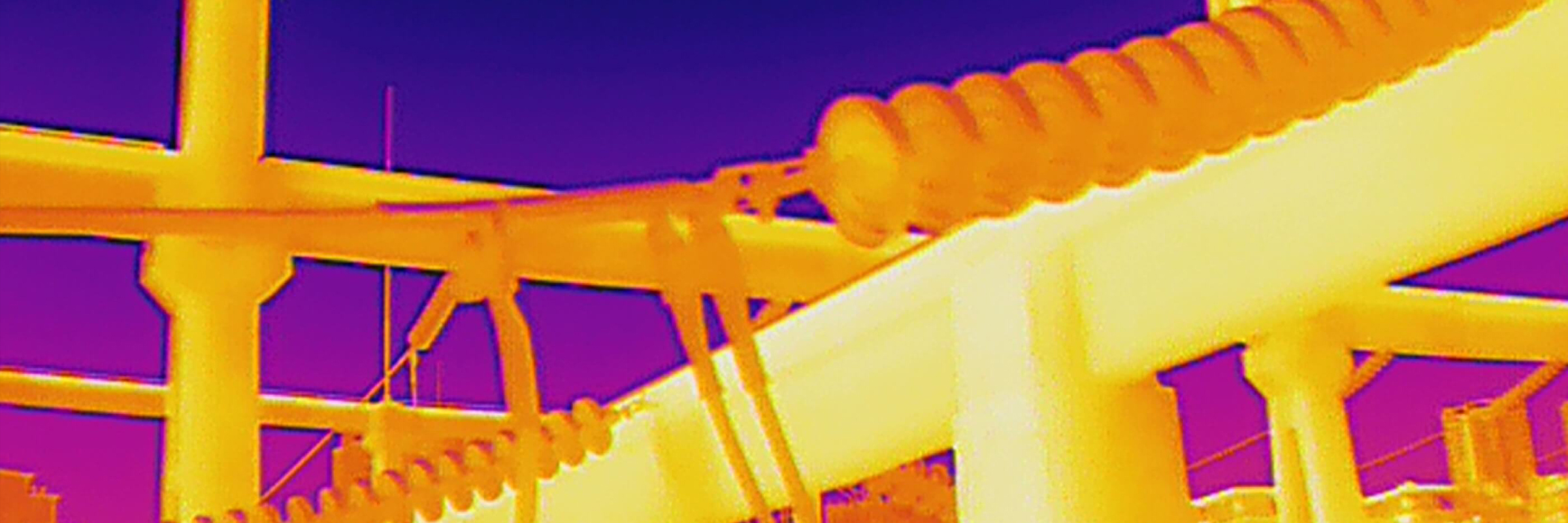
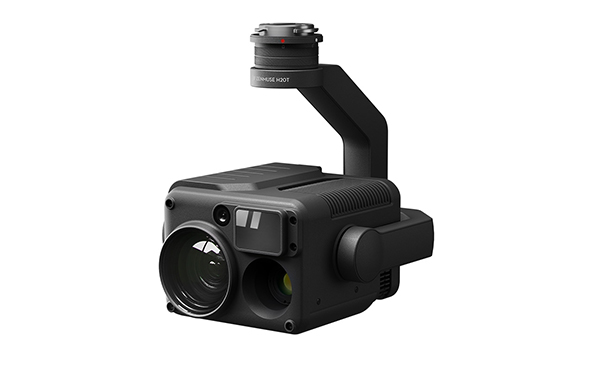
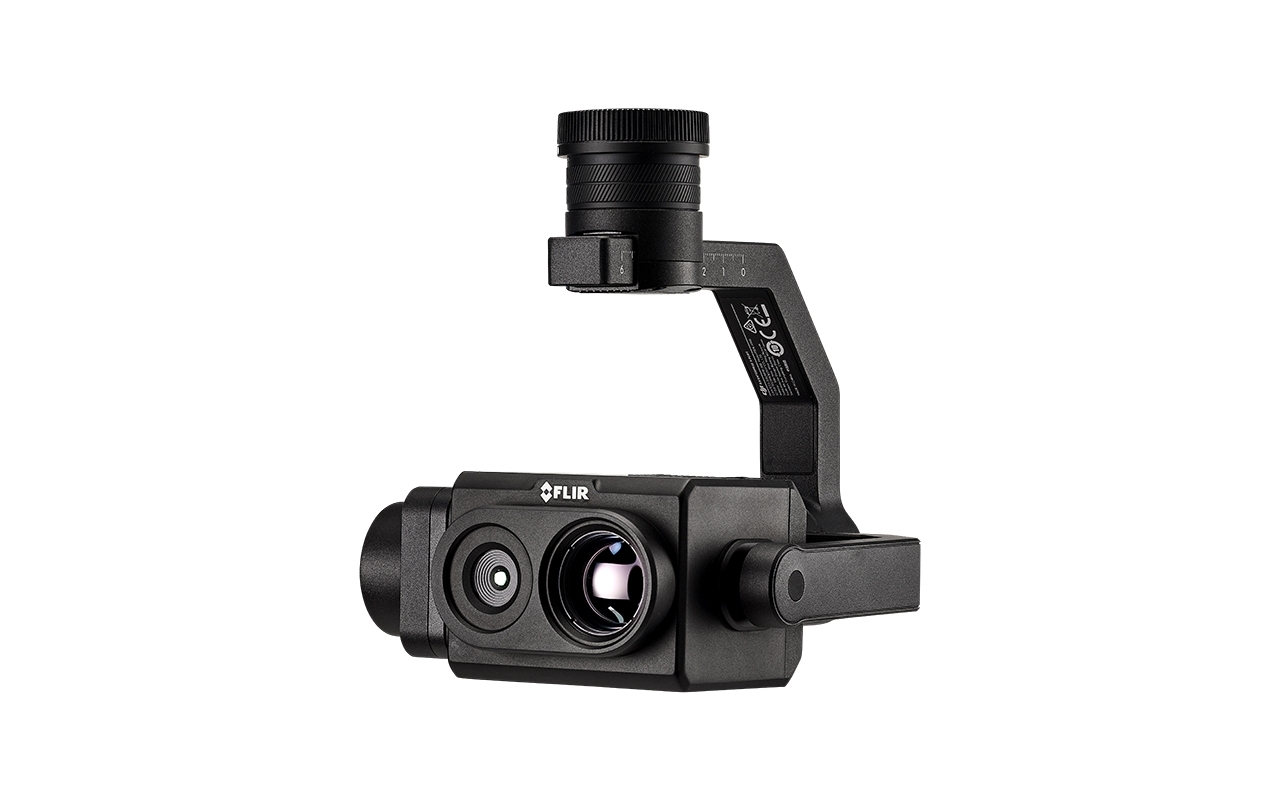
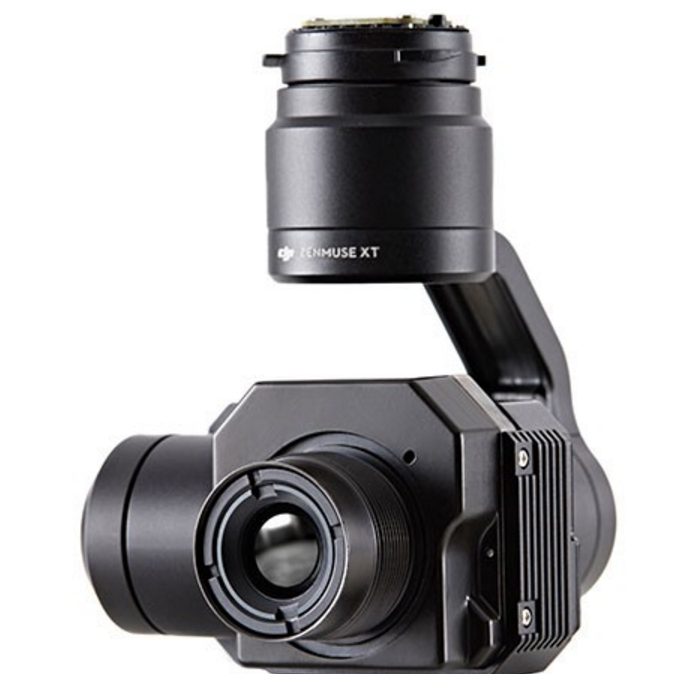
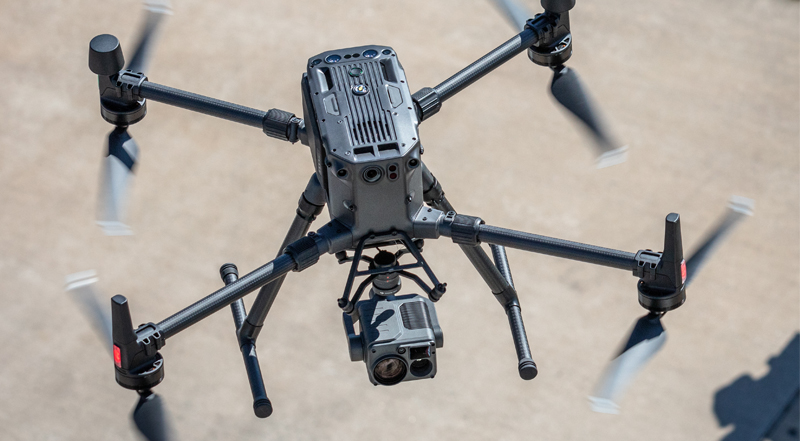
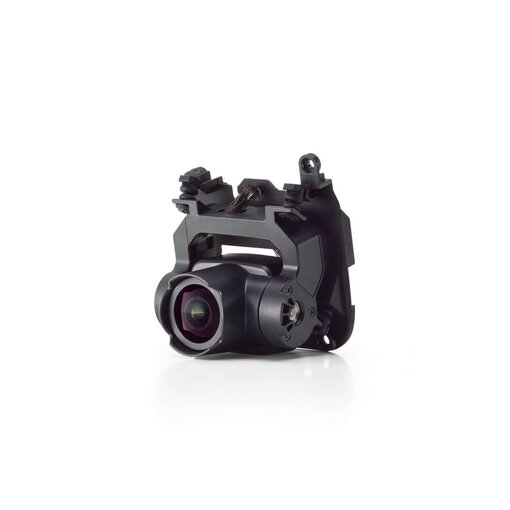
A thermal camera consists of a specialised lens that transmits IR frequencies. In addition, the camera contains a thermal sensor and an image processor. The camera is usually mounted on a drone's gimbal, which can rotate up to 360 degrees and helps stabilise the camera. As the drone flies around, the camera's thermal sensor detects infrared wavelengths and converts them into electronic signals. After receiving the signals, the image processor creates a so-called thermogram or thermographic image that is composed of a colour map showing different temperature values.


 EN
EN  NL
NL  FR
FR  DE
DE  ES
ES